Boston at a glance
- Start/Finish: Hopkinton → Boston (point‑to‑point).
- Profile reality: Net‑downhill opening miles can thrash quads before the late Newton/Heartbreak climbs (~miles 16–21).
- Race character: Fast early, demanding late; iconic landmarks (Wellesley, Citgo sign, final turns) can distort pacing if you surge.
- On‑course basics: Fluids from early in the course; still race with a practised fueling plan.
How to pace it
- Think “10/10/10”: first 10 miles disciplined, next 10 controlled, final 10K if the legs are there—do not bank time early.
- Miles 1–4 — Smooth downhill: quick cadence, compact stride; protect the quads.
- Miles 5–15 — Rolling & honest: hold plan pace; arrive at Newton with usable legs.
- Miles 16–21 — Newton to Heartbreak: manage effort on each climb; crest, settle, don’t over‑correct.
- 21–Finish — Composed push: let the drop and crowds help; keep form tidy to Boylston.
Fueling & hydration (practise in training)
- Carbs: ~60–90 g/hour using glucose + fructose; start fueling early; practise your exact products/timings.
- Hydration: drink to thirst; with the late start and long pre‑start window, avoid over‑drinking.
Logistics tips
- Pre‑start: pack familiar snacks for the Athletes’ Village; use throwaway layers; the walk to the line is longer than many expect.
- Downhill prep: include downhill reps/strides in training to handle eccentric load on race day.
Kit cues (soft sell)
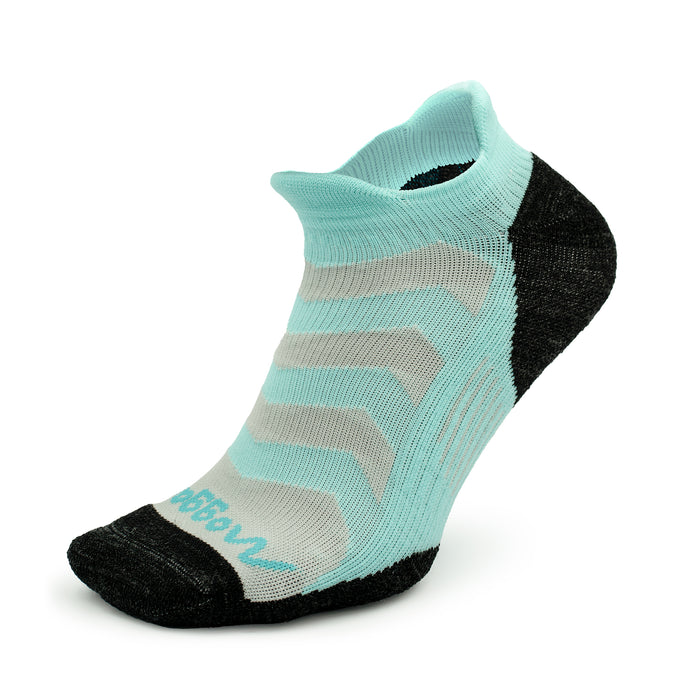
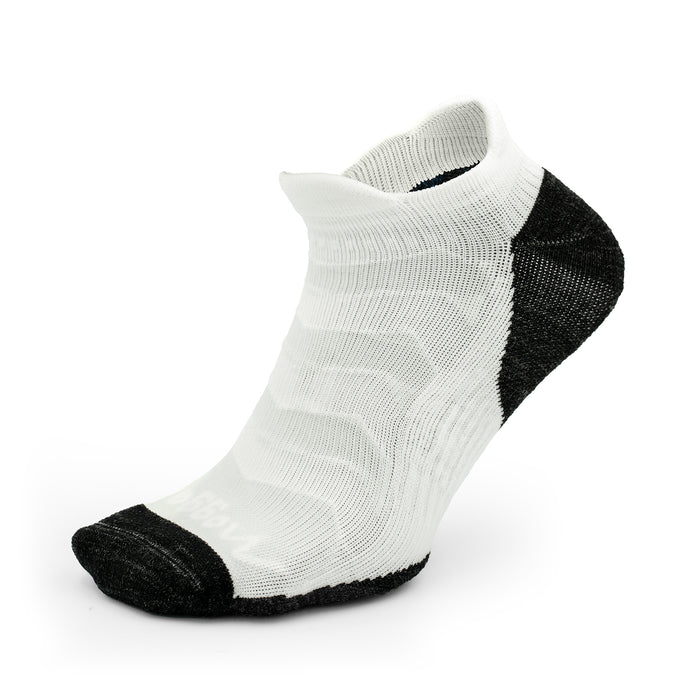
Early descents reward a secure, non‑slip fit: Moggans Ultralight Speed. For a cool, long wait pre‑start: Ultralight Merino—switch to your race pair before corrals.